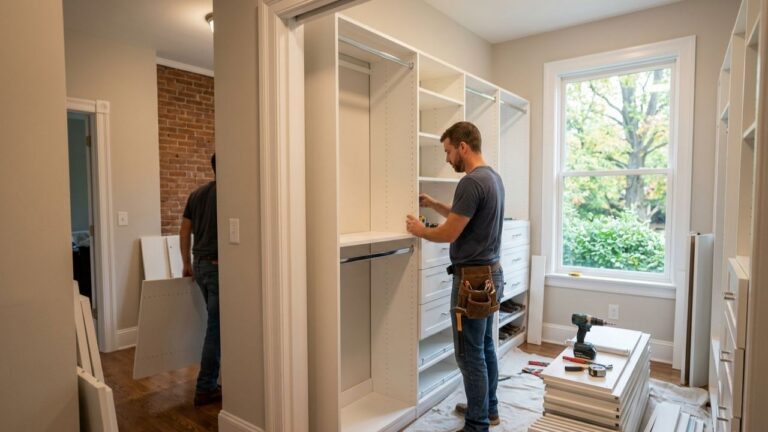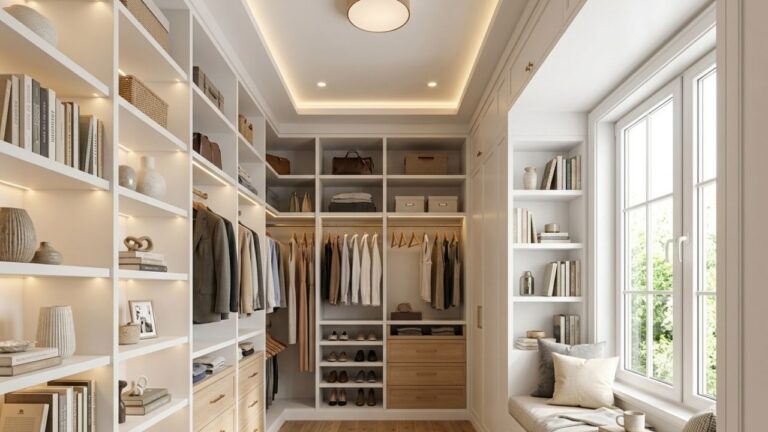
If you’ve ever spent ten minutes hunting for a matching pair of heels before work or watched a sneaker tower slowly collapse every time you open your closet door you already know the problem. A closet without a proper shoe storage plan isn’t really working for you.
A well-designed closet with shoe shelves changes everything. Not just for your footwear, but for how your entire morning feels. When every pair has a dedicated spot, getting dressed goes from chaotic to almost enjoyable. And when those shelves are built into your closet as a permanent, tailored system, you’re not just organizing you’re investing in your home and your daily quality of life.
This guide covers everything you need to know: how to plan your layout, what shelf configurations work best for different shoe types, how to incorporate display cabinets for collectibles or luxury pairs, and why going custom beats off-the-shelf systems every single time. Whether you’re redesigning a walk-in, upgrading a reach-in, or building from scratch, the information here will help you make smarter decisions from day one.
Why a Dedicated Shoe Shelving System Is Worth Every Penny
Let’s be honest most people underestimate how much space their shoes actually need. The average American household owns somewhere between 15 and 30 pairs per person. If you share a closet, that number doubles fast.
Standard closets simply aren’t built with footwear in mind. You get a single shelf above a hanging rod, maybe a small floor area, and that’s it. The result? Shoes piled on top of each other, scuffed leather, mismatched pairs, and a closet that looks messy no matter how many times you tidy it up.
Dedicated shoe shelving solves this structurally. Instead of working around an inconvenient space, you design the space to work around your collection.
The Real Benefits of Proper Shoe Storage
- Protection: Shoes stored flat and separated last longer. No more crushed toe boxes or scuffed heels.
- Visibility: When you can see every pair at a glance, you actually wear more of your wardrobe.
- Time savings: Mornings move faster when you’re not digging through a pile.
- Aesthetics: A neatly arranged shoe wall looks beautiful practically a design feature in itself.
- Home value: Professionally installed built-in closet shelves and custom shoe storage are now a selling point buyers actively look for.
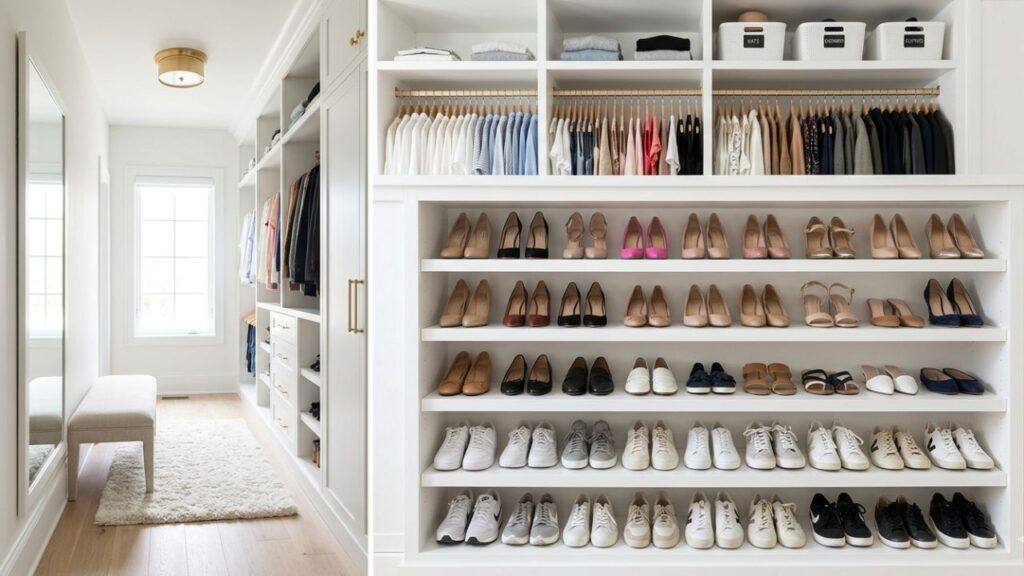
Understanding Your Shoe Collection Before You Design
Before you start sketching layouts or picking finishes, take stock of what you actually own. This sounds obvious, but it’s the step most people skip and it’s why they end up with a system that doesn’t quite fit their life.
Step 1: Count and Categorize
Sort your shoes into categories: flats, heels (low, mid, and high), sneakers, boots (ankle and knee-high), sandals, dress shoes, and specialty footwear like hiking boots or athletic cleats. You might be surprised by how many you have in each category.
Step 2: Measure Your Footwear
Different shoe types need different shelf depths and heights:
- Flats and ballet shoes: About 4–5 inches of vertical clearance is enough.
- Standard heels: 6–8 inches works well, with angled shelves helping them stay upright.
- High heels and platforms: 8–10 inches, ideally on slanted shelves so they’re visible heel-first.
- Sneakers and loafers: 6–7 inches of clearance and 12–14 inches of depth.
- Ankle boots: 10–12 inches of vertical clearance.
- Knee-high or tall boots: These need either a floor section with boot clips or a dedicated tall cubby at least 18–20 inches.
Knowing these measurements before you design means your shelves will actually fit your shoes rather than forcing your shoes to fit your shelves.
Step 3: Think About Growth
Most people’s shoe collections grow over time, not shrink. Build in 20–25% more capacity than you currently need, especially if you shop seasonally or have a passion for footwear.
The Best Closet Layouts for Shoe Shelves
Your available space will largely determine your layout options, but there are a few configurations that consistently deliver the best results.
Floor-to-Ceiling Shoe Walls
This is the gold standard for serious shoe lovers. A full wall of custom closet shoe shelves, running from the floor all the way to the ceiling, maximizes every square inch of vertical space. The upper sections (above eye level) work well for seasonal or rarely worn pairs, while prime real-estate shelves at eye level display your most-used footwear.
For walk-in closets with a dedicated wall to spare, this approach can hold 40–80+ pairs depending on shelf configuration and shoe size.
Angled Display Shelves
Angled shelving where each shelf tilts slightly toward the viewer is particularly popular in high-end closets. It serves two purposes: shoes stay in place without sliding, and the toes face forward so you see the style of the shoe at a glance rather than just the sole. This configuration works beautifully with heels, flats, and dress shoes.
Open Cubbies and Pigeonhole Shelving
Cubbies give each pair its own dedicated compartment, which appeals to people who want a tidy, orderly look. They’re especially practical for families, where labeling each cubby by person or shoe type keeps things from getting mixed up.
The downside is efficiency cubbies typically hold one pair per slot, while open shelves can be adjusted to fit more. The solution is to combine the two: cubbies for everyday pairs you grab quickly, open shelving for the rest.
Pull-Out Shoe Drawers
A clever option for smaller spaces or reach-in closets is the pull-out shoe drawer essentially a shallow drawer with slots angled to hold each pair. These are completely hidden when closed, keeping the closet looking clean, and they protect shoes from dust naturally.
Built-In Benches with Shoe Storage Below
One of the most functional and underutilized features in a well-designed closet is a built-in bench with shoe storage underneath. The bench gives you a place to sit while you put on or remove shoes, and the space below can accommodate cubbies, open shelving, or pull-out drawers. It’s a natural landing zone that does double duty beautifully.
Custom Closet Shoe Shelves vs. Store-Bought Systems
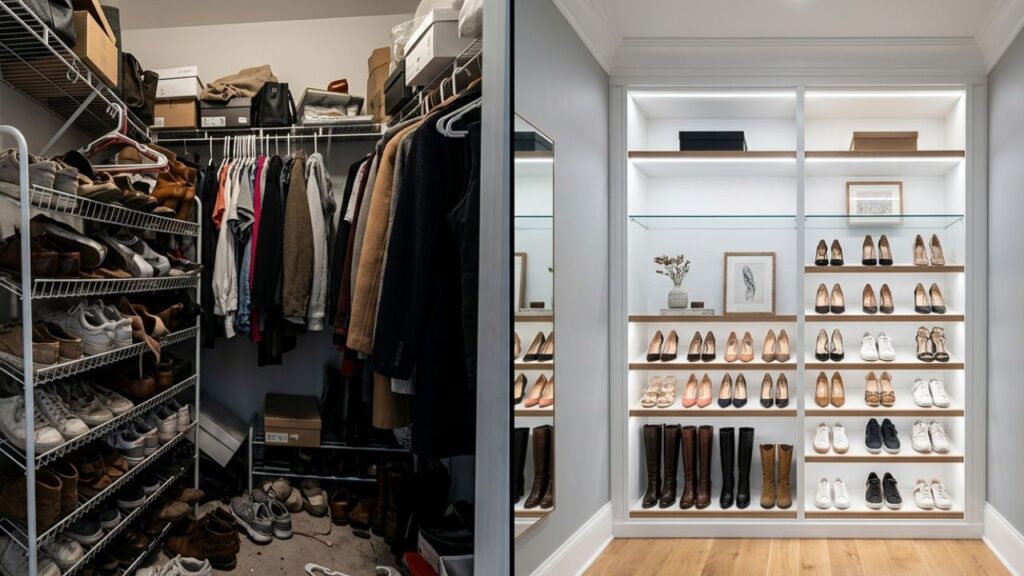
This is one of the most common questions homeowners ask when planning a closet renovation, and the answer is almost always the same: custom wins in the long run.
Store-bought wire racks and modular systems are inexpensive upfront, but they have real limitations. They’re designed for average closet sizes and average collections, which means they rarely fit your space perfectly. Gaps, awkward clearances, and shelves that are slightly too deep or too shallow are common frustrations. They also tend to look temporary because they are.
Custom closet shoe shelves, on the other hand, are built to your exact specifications. The shelves are sized to your collection, the finish matches your aesthetic, and the entire system integrates seamlessly with your hanging rods, drawers, and other closet components. There’s no wasted space, no wobble, and no compromising.
Professionally installed built-in closet shelves also add structural value to your home. Real estate agents consistently note that custom closet systems especially in primary bedrooms are a feature that resonates with buyers and can support higher asking prices.
Display Cabinets for Collectibles: Elevating Shoe Storage to an Art Form
For some people, a shoe collection isn’t just about having something to wear it’s a genuine passion. Limited-edition sneakers, designer heels, vintage finds, and rare collaborations deserve more than a shelf. They deserve to be showcased.
This is where display cabinets for collectibles come into the closet conversation in a meaningful way. Originally used for trophies, figurines, and art objects, display cabinets translate beautifully into closet design for high-value or visually striking footwear.
What to Look for in a Shoe Display Cabinet
A great display cabinet for shoes combines protection with visibility. Key features include:
- Glass or acrylic doors: These let you see the shoes without exposing them to dust.
- Interior lighting: LED strip lights or individual spotlights make shoes look like the luxury items they are.
- UV-filtering panels: Important for protecting leather and suede from light damage over time.
- Adjustable shelves: Different shoes have different heights, so flexibility matters.
- Custom sizing: A built-in display cabinet sized to your space looks architectural rather than furniture-store generic.
When integrated into a walk-in closet design, display cabinets for collectibles create a focal point the first thing you see when you walk in. They communicate that this closet was designed intentionally, not just assembled.
Mixing Open Shelves and Display Cabinets
The most sophisticated approach is to mix storage types within the same closet. Everyday shoes live on open, easy-access shelving. Special or collectible pairs live behind glass in a built-in display cabinet. This creates visual hierarchy — your prized possessions are literally put on a pedestal — while keeping your working footwear within easy reach.
Materials, Finishes, and Design Details That Make a Difference
The best closet with shoe shelves isn’t just functional — it’s beautiful. The materials and finishes you choose have a significant impact on both the look and the longevity of your system.
Shelf Material Options
- Melamine-coated MDF: The most common material in custom closets durable, smooth, and available in dozens of colors and wood-look finishes. Easy to clean.
- Solid wood or plywood with veneer: Premium look and feel. Heavier but more substantial. Great for high-end projects.
- Glass shelves: Used selectively particularly in display sections glass adds a luxurious, open feel and works well with interior lighting.
- Wire or slatted shelving: More airflow, which is helpful for athletic shoes. Less elegant but very practical for utility areas.
Color and Finish Trends in 2026
White and off-white finishes remain the most popular choice because they’re timeless and make closets feel brighter and larger. However, two-tone approaches white or light gray for the majority of the system with a warm wood accent on the display section or bench are increasingly common and very effective.
For a truly luxury look, integrated toe-kick lighting (LED strips running along the bottom of the lower shelves) adds a dramatic, boutique-store quality to any shoe display.
Practical Tips from Closet Designers
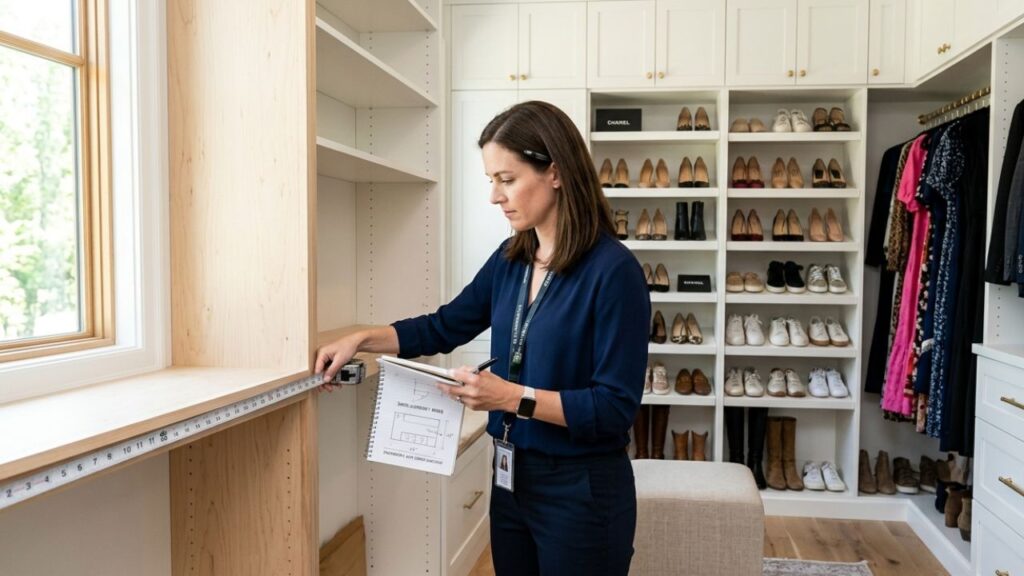
After working with hundreds of homeowners on shoe storage challenges, a few pieces of advice come up again and again.
1. Don’t underestimate boot storage. Boots are the category most people plan around least but regret most. Tall boots in particular need dedicated space either a floor section with boot shapers and clips, or a tall open cubby at least 20 inches high. Plan for this early.
2. Keep seasonal shoes accessible just not in prime spots. Out-of-season footwear shouldn’t take up your best shelf real estate. Either use upper shelves or incorporate dedicated seasonal storage boxes that slide under a bench or fit into a lower cabinet.
3. Lighting is not optional. A dark closet hides your shoes and makes getting dressed frustrating. Recessed LED lighting inside display sections, under-shelf strip lighting, and a well-lit overall closet are all worth the investment.
4. Think about the floor. The floor of your closet is prime shoe territory, especially for sneakers, loafers, and flats. Designing a dedicated floor-level section rather than letting it become catch-all space makes a big difference.
5. Label or organize by category, not color. Many people organize by color because it looks pretty, but categorizing by type (heels, sneakers, casual, dressy) makes it much faster to find what you’re looking for.
How to Start Planning Your Closet with Shoe Shelves
The planning process doesn’t have to be complicated, but it does benefit from a professional eye. Here’s a simple framework:
- Measure your space: Width, height, depth, and any architectural quirks like sloped ceilings, outlets, or vents.
- Inventory your collection: As described above count, categorize, and measure.
- Prioritize your needs: Everyday accessibility vs. display vs. protection. Where are the pain points right now?
- Consider the full closet: Shoe shelves work best when they’re designed alongside your hanging rods, drawers, and other storage. An integrated approach avoids awkward gaps.
- Work with a professional: A custom closet designer can translate your needs into a specific layout with accurate measurements, material recommendations, and a 3D visualization before anything is built.
Conclusion
A closet with shoe shelves that’s thoughtfully designed with the right heights, depths, materials, and layout for your actual collection isn’t a luxury. It’s a practical upgrade that pays dividends every single day. You’ll spend less time searching, protect your shoes better, use more of what you own, and start each morning with a little less friction.
Whether you’re interested in custom closet shoe shelves that hold an everyday collection, elegant built-in closet shelves integrated into a full walk-in redesign, or dramatic display cabinets for collectibles that put your most prized pairs on show, the right design approach makes all the difference.
The best place to start is a conversation with a professional who can look at your actual space, understand your specific needs, and design something that works the way you live. At Custom-Closets, we’ve helped hundreds of Louisville-area homeowners transform disorganized, frustrating closets into spaces they genuinely love. From the first measurement to the final installation, every detail is handled with precision and care.
FAQs
For most everyday shoes flats, heels, sneakers a shelf depth of 10 to 14 inches works well. Deeper shelves (12–14 inches) accommodate larger men’s shoes or allow you to store pairs front-to-back if needed. Angled shelves can be slightly shallower (8–10 inches) since the shoe extends toward the viewer rather than sitting flat.
It depends on shelf height and shoe type, but a rough estimate is that you can fit 6–8 pairs of women’s shoes or 4–6 pairs of men’s shoes per linear foot of shelving. For 30 pairs, plan for at least 4–6 linear feet of shelving, organized across multiple rows vertically.
Freestanding shoe racks are temporary and portable they’re designed to fit the average space, not your space. Built-in closet shelves are permanently installed and custom-sized to your exact dimensions, materials, and preferences. They look better, hold more, and add real value to your home.
Yes a good custom closet company can often retrofit an existing closet with new built-in shelving without a complete gut renovation. This is a cost-effective option if your closet’s bones are solid and you mainly need better organization systems.
They’re genuinely both. Display cabinets protect valuable or delicate footwear from dust, humidity fluctuations, and light damage — all real threats to leather, suede, and specialty materials. The fact that they look stunning is a bonus, not the primary purpose.