
You open your closet door and something falls on your foot. Again.
If that sounds familiar, you’re not alone. Reach-in closets are one of the most underutilized spaces in the home and ironically, one of the easiest to transform. The problem isn’t the size of your closet. The real problem is a lack of a smart system.
Whether you’re working with a cramped bedroom closet, a hallway nook, or a shared space that two people are fighting over every morning, the right reach in closet organization ideas can completely change how your home feels and functions. We’re talking double the storage capacity, zero morning chaos, and a space that actually makes getting dressed a pleasure.
In this guide, you’ll get practical, expert-backed strategies for organizing reach-in closets of every size and situation including ideas for shared spaces, bedroom closets, kids’ rooms, and even pantries. These aren’t generic tips you’ve seen a hundred times. These are real, actionable ideas that interior designers and professional closet specialists use every day.
Let’s get into it.
What Is a Reach-In Closet (And Why Organization Matters So Much)
A reach-in closet is any closet you access from the front typically 24 to 30 inches deep and anywhere from 3 to 10 feet wide. Unlike walk-in closets, you can’t step inside. That constraint makes smart layout design absolutely critical.
When a reach-in closet is poorly organized, you lose access to entire sections of it. Clothes pile up on a single rod. Shoes end up in a heap on the floor. Shelves fill up with random items. Before long, the closet becomes a source of daily frustration rather than a useful storage solution.
The good news? Reach-in closets respond beautifully to intentional organization. With the right configuration, even a 4-foot-wide closet can hold a full wardrobe, a shoe collection, accessories, and more all visible and accessible.
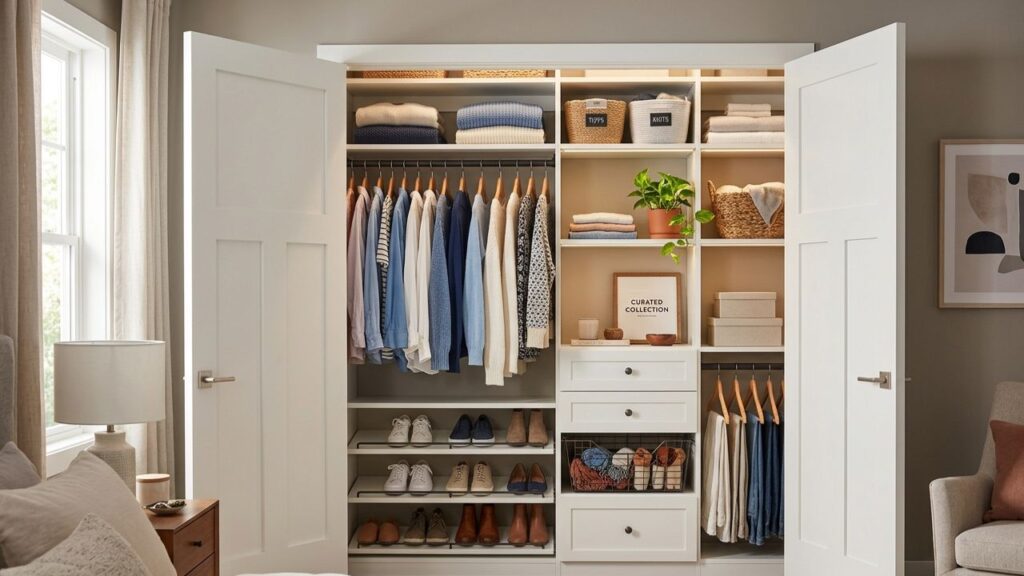
Start With a Clean Slate: The First Step in Any Closet Organization Project
Before you think about bins, rods, or shelving systems, you have to edit.
Take everything out of your closet. Every item. Lay it on your bed or floor so you can see exactly what you own. Then ask yourself three honest questions:
- Do I wear this regularly?
- Does it fit and make me feel good?
- Would I buy this again today?
If the answer to any of those is no, it goes. Donate, consign, or discard but don’t put it back.
This step alone can free up 30 to 40 percent of your closet space before you buy a single organizer. No shelf system in the world can compensate for too much stuff.
Once you’ve edited, measure your closet carefully: width, height, and depth. Note the position of the door swing, any electrical outlets or light switches, and whether the walls are flat or have baseboards that might affect shelving.
The Best Reach In Closet Organization Ideas by Layout Type
Not all reach-in closets are built the same. Here are the most effective organization strategies broken down by configuration.
Single-Rod Closets: Go Vertical
The most common reach-in closet setup is a single hanging rod with a shelf above it. This is also the most wasteful configuration, because it leaves 12 to 18 inches of dead space below hanging clothes.
The fix: Double your hanging capacity by installing a second rod below the first wherever your clothes allow. Short items like shirts, blazers, folded pants, and jackets don’t need the full height of a standard single rod. Double-hang those sections and reserve the full-height space for dresses, long coats, and formal wear.
Add a floor-level shoe shelf or rolling drawer unit beneath the short-hang section, and you’ve tripled the usable space of a standard closet without expanding a single wall.
Floor-to-Ceiling Shelving Systems
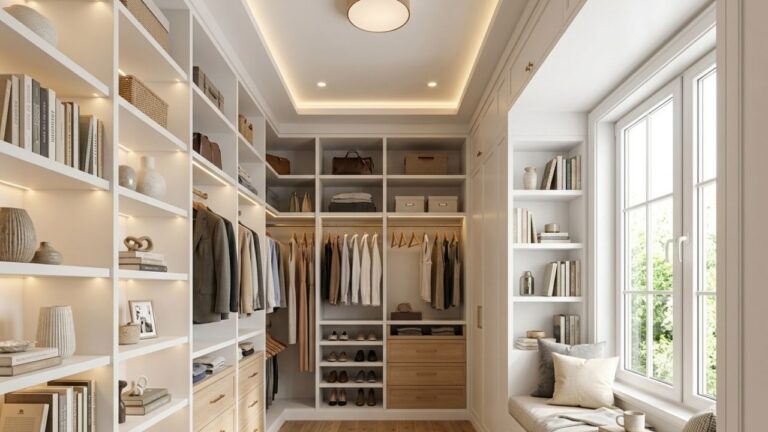
One of the most transformative closet organization ideas is replacing a basic rod-and-shelf setup with a floor-to-ceiling modular shelving system. These systems use every vertical inch of your closet all the way up to the ceiling which is where most closets leave significant storage potential completely untapped.
With a well-designed floor-to-ceiling system, you can integrate:
- Double hang sections for everyday clothing
- Full-length hang sections for dresses and coats
- Open shelves for folded sweaters, jeans, and accessories
- Drawer units for undergarments, socks, and small items
- Shoe shelving with adjustable pitch for visibility and easy grab-and-go access
- Upper cabinet sections for seasonal items, luggage, and bins
This is the gold standard of reach-in closet design, and it’s the approach that professional closet designers at companies like Custom Closets Louisville use to maximize every inch.
Corner and Angled Closets
If your reach-in closet wraps around a corner or has an odd angle, you face a specific challenge: dead corner space. Standard rods and shelves don’t reach it effectively.
Solutions include:
- Corner pull-out units that swing or slide out for full access
- Lazy Susan-style rotating corner shelves
- Angled shoe shelves built into the corner for display and easy retrieval
- Wrap-around rod systems that follow the wall angle
Reach In Closet Organization Ideas for Bedrooms
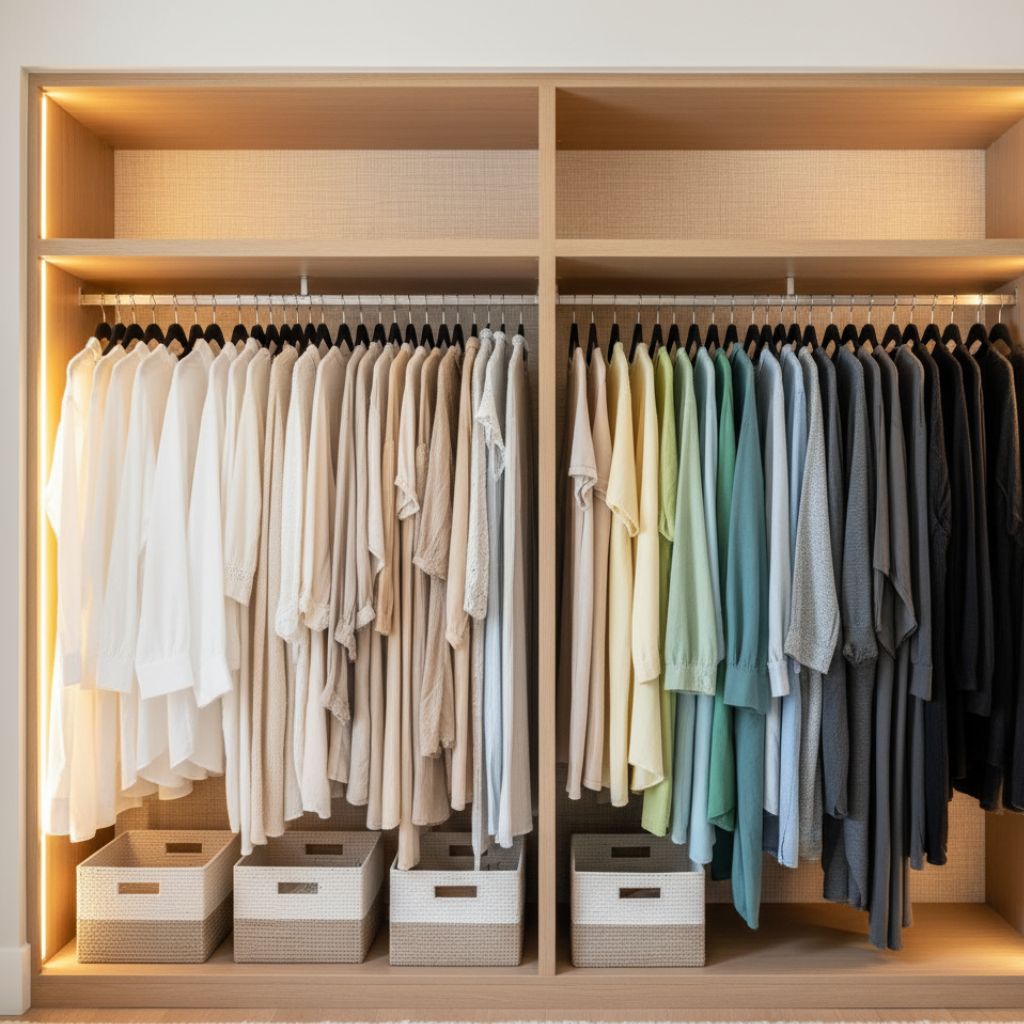
Bedroom closets serve a unique purpose they need to be both highly functional and visually calm. Walking into a chaotic closet first thing in the morning sets the wrong tone for the day.
Organize by Category, Then by Color
Group your clothing by category first: all tops together, all bottoms together, all outerwear together. Within each category, arrange by color from light to dark. This simple system makes getting dressed faster, helps you spot gaps in your wardrobe, and makes the closet look intentional and attractive.
Use the Prime Real Estate Zone Wisely
The section of your closet between shoulder height and eye level is your prime real estate it’s the easiest to see and reach. Put your most-worn, most-needed items here: everyday shirts, go-to pants, regular shoes.
Reserve the upper shelves for seasonal items, less-used bags, and storage bins. Use the lower sections for shoes, drawers, or folded basics.
Add Lighting It Changes Everything
Poor lighting is one of the most overlooked closet problems. A dark closet leads to poor decisions (wearing the wrong color, missing items), and it makes even a well-organized space feel dreary.
LED strip lights under shelves, a battery-powered overhead puck light, or a wired closet fixture makes a dramatic difference. If you’re doing a custom installation, recessed LED lighting is the upgrade that clients consistently say they wished they’d added sooner.
Hooks, Hooks, and More Hooks
The inside of a closet door is prime storage real estate most people completely ignore. Over-door hooks and organizers can hold:
- Belts, scarves, and ties
- Bags and totes
- Tomorrow’s outfit (a genuinely life-improving habit)
- Jewelry organizers
On the side walls of your reach-in closet, a few well-placed hooks handle robes, gym bags, and frequently grabbed items without taking up shelf or rod space.
Shared Closet Organization: Making One Space Work for Two People
Sharing a reach-in closet is one of the more common household challenges, and it requires a specific approach. Without a clear system, one person’s overflow inevitably colonizes the other’s section.
The single most effective strategy for shared closet organization is clear division of space. Define boundaries left side, right side, or top section versus bottom section and stick to them. Both people should have equitable access to hanging space, shelving, and drawers.
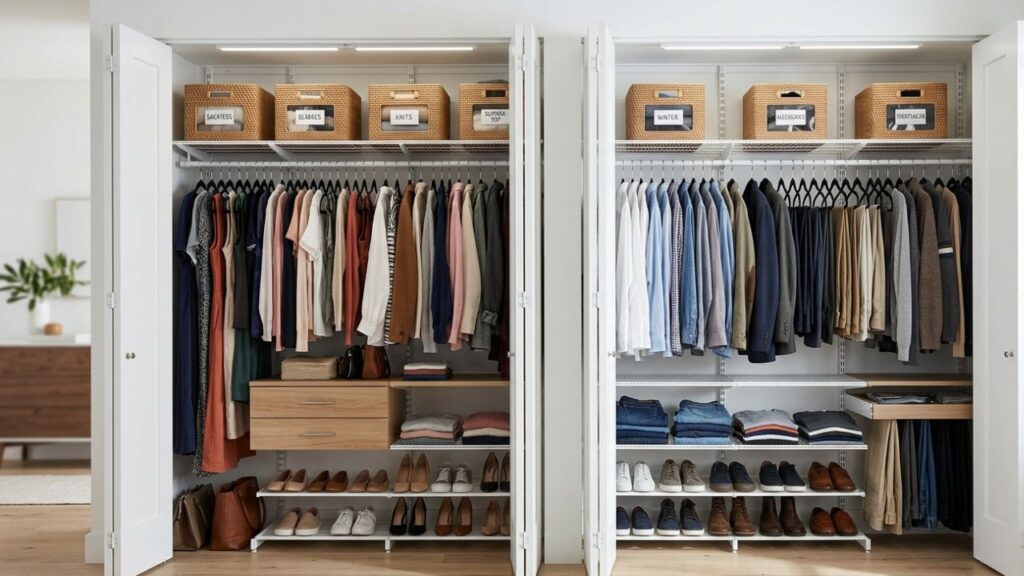
Zoning Your Shared Closet
Create distinct zones for each person based on the types of clothing they have. If one person has more long-hang items (dresses, formal wear), give them a full-height hang section. If the other person has mostly short-hang items (shirts, jackets, folded pants), optimize their section with double hang.
Consider these shared closet organization principles:
- Matching hangers for both sections creates visual calm and a surprising amount of extra space (plastic wire hangers use 2–3x more rod space than slim velvet hangers)
- Color-coded storage bins let each person easily identify their seasonal storage
- A shared center section for household items or shared accessories eliminates the need for separate storage elsewhere
- Drawers with labeled sections work better than open shelves for shared spaces because they contain clutter and reduce visual noise
When the Closet Truly Isn’t Big Enough for Two
Sometimes you need to be creative beyond the closet itself. A wardrobe in the bedroom, a rolling garment rack for seasonal overflow, or additional under-bed storage can supplement a shared reach-in without requiring a renovation. Think of the closet as the primary hub, not the only storage solution.
Kids’ Reach-In Closet Organization Ideas
Children’s closet organization deserves its own section because kids’ needs change rapidly and their relationship with tidiness is… still developing.
The key principles for a kid’s reach-in closet:
- Lower everything. A child who can reach their own clothes is a child who can dress themselves. Install rods and hooks at their height, not adult height.
- Use bins, not shelves. Open bins are far easier for kids to put things away in than folded shelves. Label with pictures for younger children.
- Build in room to grow. Adjustable shelving systems let you reconfigure as your child grows taller and their wardrobe evolves.
- Designate a “current season” zone. Keep only what fits and is weather-appropriate accessible. Store the rest in clearly labeled bins on upper shelves.
Closet Organization Ideas That Work for Every Space
Beyond the bedroom, smart closet organization ideas apply to hallways, guest rooms, utility areas, and more. Here are a few universally effective principles:
Audit seasonally. Every spring and fall, swap out seasonal clothing and audit what you actually wore. Items that sat untouched for an entire season can often be donated.
Invest in uniform storage containers. Matching bins, baskets, and boxes create visual order immediately. They don’t have to be expensive consistency of size and color matters more than brand.
Label everything stored in bins. If you have to move something to see what’s inside it, the system isn’t working. Clear labels prevent “mystery box” syndrome.
Give every item a home. Organization breaks down when items don’t have a designated place. If something consistently ends up on the floor or on a chair, it’s a signal that it lacks a proper home.
Use vertical space aggressively. Most people stop at eye level. The space between your top shelf and the ceiling can hold a surprising amount seasonal items, extra bedding, luggage, and infrequently used equipment.
Pantry Organization Ideas: The Reach-In Approach Applied to Your Kitchen
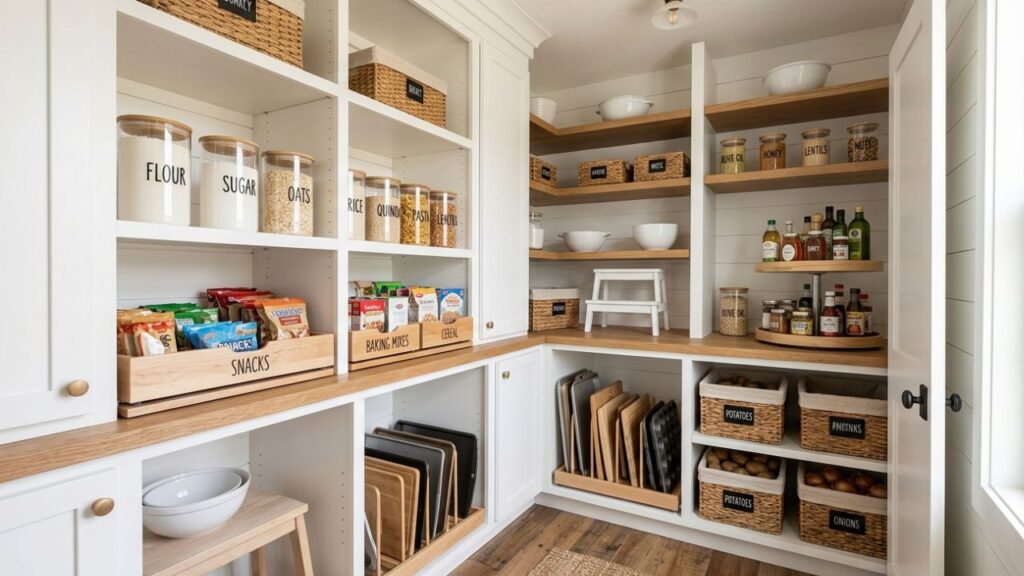
The same principles that make a bedroom closet work beautifully apply directly to pantry organization. A reach-in pantry the kitchen equivalent of a reach-in closet benefits enormously from zone planning, vertical shelving, and clear visibility.
The best pantry organization ideas for 2026 focus on accessibility and visual clarity:
Zone Your Pantry by Use Frequency
- Eye level and easily reachable: Daily-use items (coffee, snacks, pasta, canned goods you use weekly)
- Upper shelves: Rarely-used items, bulk overflow, small appliances
- Lower shelves: Heavy items (canned goods, bulk items, beverages), items used for cooking rather than snacking
Use Clear Containers for Dry Goods
Transferring pasta, rice, cereals, nuts, and other dry goods into clear containers does two things: it makes inventory obvious at a glance, and it keeps food fresher. Matching containers also maximize shelf space, since bags and boxes often waste significant volume.
Add Pull-Out Drawers and Lazy Susans
Corner or deep-shelf items in a pantry are notorious for getting lost. Pull-out drawer inserts let you access the back of a deep shelf without unloading the front. Lazy Susans (rotating turntables) are perfect for spices, condiments, and small jars that would otherwise disappear behind taller items.
Vertical Dividers for Baking Sheets and Trays
One of the smartest pantry organization hacks is adding vertical dividers to a dedicated section for baking sheets, cutting boards, and serving trays. Instead of stacking these flat (where the bottom item requires unloading everything else to access), they stand upright and can each be grabbed individually.
A Custom Pantry Transformation
For homeowners who want a truly optimized pantry, a professionally designed custom pantry system like the ones offered by Custom Closets Louisville incorporates all of these elements into a cohesive, built-in solution. The result is a pantry that functions as smoothly as a luxury kitchen and looks just as good.
When to Go Custom: Upgrading from DIY to a Professional System
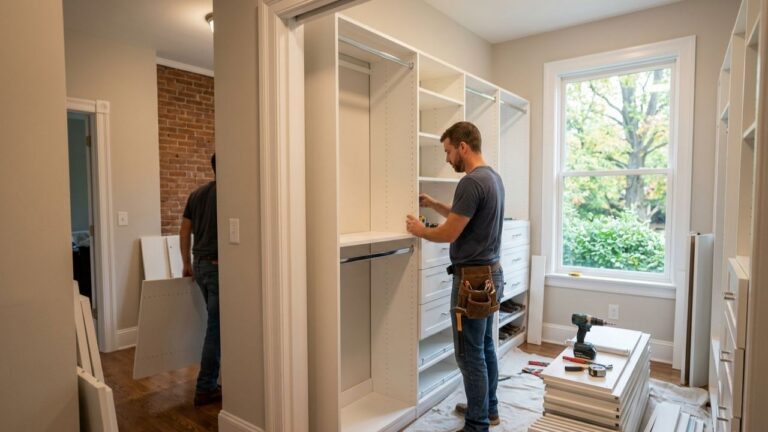
There’s a meaningful difference between a DIY closet system and a professionally designed, custom-installed one and it goes beyond aesthetics.
DIY systems (modular wire shelving, flat-pack units) work well for simple configurations and tight budgets. They’re adjustable, easy to install, and can make a real difference in a straightforward space. Their limitations show up in complex configurations, odd-shaped closets, premium finishes, and integration with the architecture of the room.
Custom closet systems are designed specifically for your space, your wardrobe, and your lifestyle. They use higher-quality materials, offer finishes that complement your home’s interior design, and maximize every inch of a space in ways that off-the-shelf products simply can’t match. They also tend to increase home value a professionally installed closet system is a genuine selling point.
If you’re in the Louisville, KY area and you’re ready to stop fighting with your closets, Custom Closets offers free in-home design consultations, 3D renderings before installation, and expert-crafted systems for reach-in closets, walk-ins, pantries, garages, and home offices.
Conclusion
The reach-in closet is one of those spaces that’s easy to overlook and easy to underestimate. But when it’s designed and organized well, it quietly improves your entire daily routine faster mornings, less stress, a home that feels genuinely calm and ordered.
The best reach in closet organization ideas aren’t about buying more storage products. They’re about understanding how you use your space, editing ruthlessly, using vertical space intelligently, and building a system that’s intuitive enough to maintain. Whether you’re dealing with a single cramped bedroom closet, a shared closet organization challenge, a kids’ room overhaul, or pantry organization ideas to bring order to your kitchen, the same core principles apply.
And when you’re ready to take your closet from functional to exceptional, a custom-designed system built for your exact space is the single most impactful upgrade you can make.
The team at Custom Closets Louisville designs premium, fully customized closet systems for reach-ins, walk-ins, pantries, garages, and more serving homeowners throughout Louisville, KY and surrounding areas. Every project starts with a free in-home consultation and a 3D design rendering so you can see your space transformed before installation begins.
FAQs
The most effective strategies are: adding a second hanging rod for short-hang items, using floor-to-ceiling shelving systems, employing slim velvet hangers, using vertical space up to the ceiling, and adding drawer units or shoe shelving below hanging sections. Lighting improvements also dramatically improve usability.
A reach-in closet works best when it stores what you use most frequently. For bedroom closets, that’s your everyday wardrobe, shoes, and accessories. Seasonal items and infrequently used things should live on upper shelves in labeled bins. Reserve prime real estate (shoulder to eye level) for daily essentials.
Focus on vertical use, double-hang rods for short items, over-door organizers, slim uniform hangers, and aggressive editing of what’s stored there. Even a 3-foot-wide closet can be highly functional with the right system.
Divide the space clearly left and right, or top and bottom with each person having dedicated hanging space, shelving, and drawers. Use slim hangers to maximize rod space, label shared storage bins, and supplement with additional bedroom furniture (wardrobe, under-bed storage) if needed.
For most homeowners, yes. Custom systems maximize usable space far beyond what DIY options can achieve, they use durable premium materials, they’re designed for your exact space and lifestyle, and they consistently add to home resale value. A free consultation with a designer gives you a clear picture of what’s possible before any commitment.

2 Comments
References:
Monro Casino Bewertung https://s3.amazonaws.com/new-casino/Lucky-Elf-Casino-Bonus.html
References:
Winningz Casino Bonus https://s3.amazonaws.com/new-casino/Sg-Casino-Bonus.html