That cluttered closet you’ve been putting off? It’s not a storage issue it’s a design issue. And the good news is, learning how to make a custom closet is a lot more straightforward than most people think.
From a cramped reach-in closet to a spacious walk-in, a custom closet can be a great way to double your space and make getting dressed a breeze. This guide will take you through all the steps of measuring your space to selecting the perfect custom closet solutions for your lifestyle.
Measure Your Space Before You Do Anything Else
This is where most DIY closet projects go wrong people skip the measuring and end up with shelves that don’t fit or wasted corner space.
Grab a tape measure and note:
- Total width, height, and depth of the closet
- Any obstacles like light switches, outlets, or vents
- The height of your longest hanging items (coats, dresses)
- How many shoes, folded items, and hanging clothes you need to store
Pro tip: Measure twice. Then measure again. A quarter-inch error can throw off an entire cabinet run.
Decide on Your Custom Closet Style
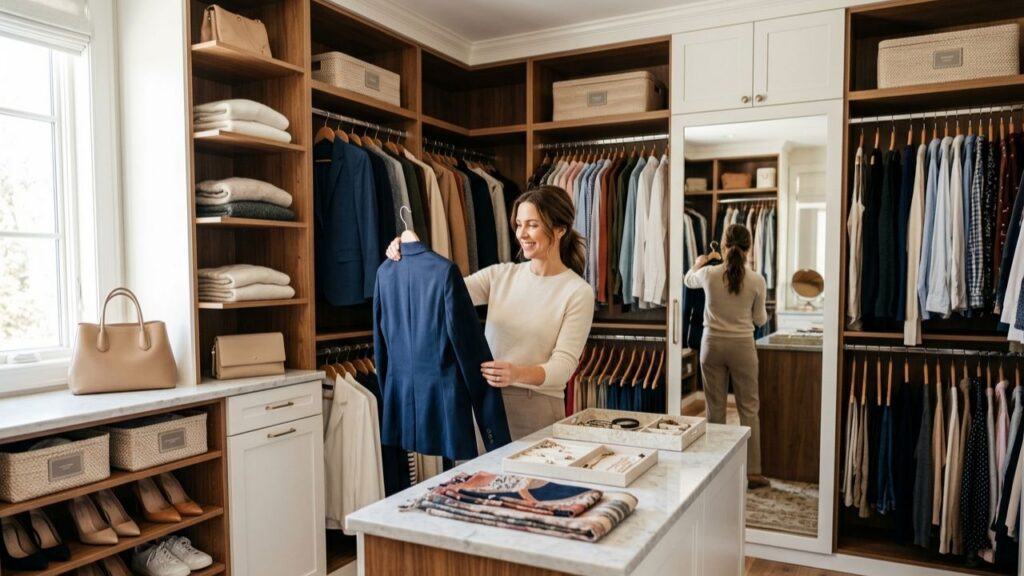
Before you buy a single shelf bracket, you need a vision. There are several Custom Closet Styles to choose from, and the right one depends on your space and how you live.
Reach-In Closets
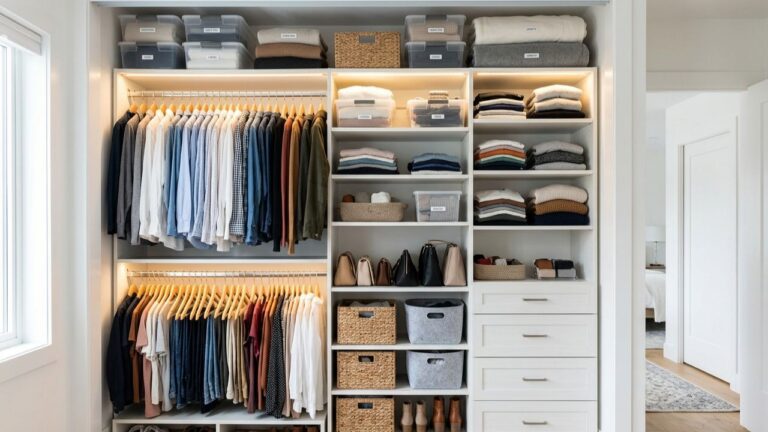
These are the standard bedroom closets usually 2–6 feet wide. The goal here is maximum vertical use. Stack hanging rods, add shelving above and below, and use the door for accessories.
Walk-In Closets
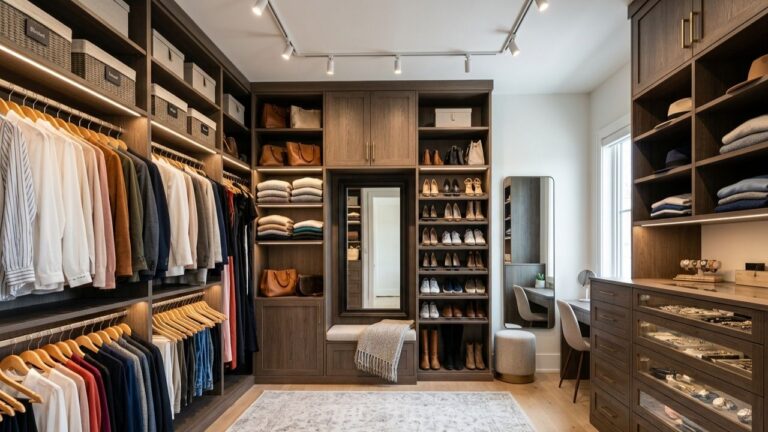
Walk-ins offer the most flexibility. You can zone them by category one wall for hanging, one for folded items, a center island if space allows. Think of it like a personal store layout.
Wardrobe-Style Closets
If you don’t have a built-in closet at all, freestanding wardrobe units with custom interiors are a great option. They look built-in but require no construction.
Choose Between DIY and Professional Custom Closet Solutions
Here’s the honest breakdown:
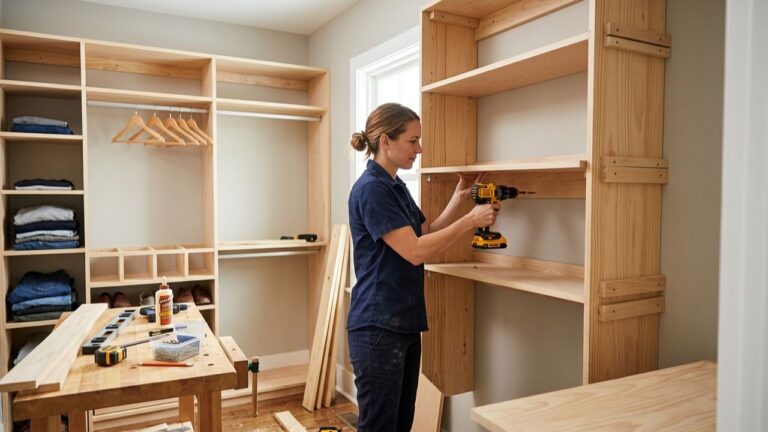
DIY systems (like modular shelving kits) are great if you’re on a budget and have a simpler space. Most home improvement stores carry systems you can configure yourself. Assembly takes a weekend, and costs run $200–$800 depending on size.
Professional custom closet solutions are the better call for complex layouts, non-standard dimensions, or when you want a truly polished finish. A pro can design around awkward angles, sloped ceilings, or unusual room shapes that DIY kits simply can’t handle.
Not sure which route is right for you? Custom-Closets offers free consultations to help you figure out exactly what your space needs no pressure, just good advice.
Plan Your Custom Closet Cabinets and Storage Zones
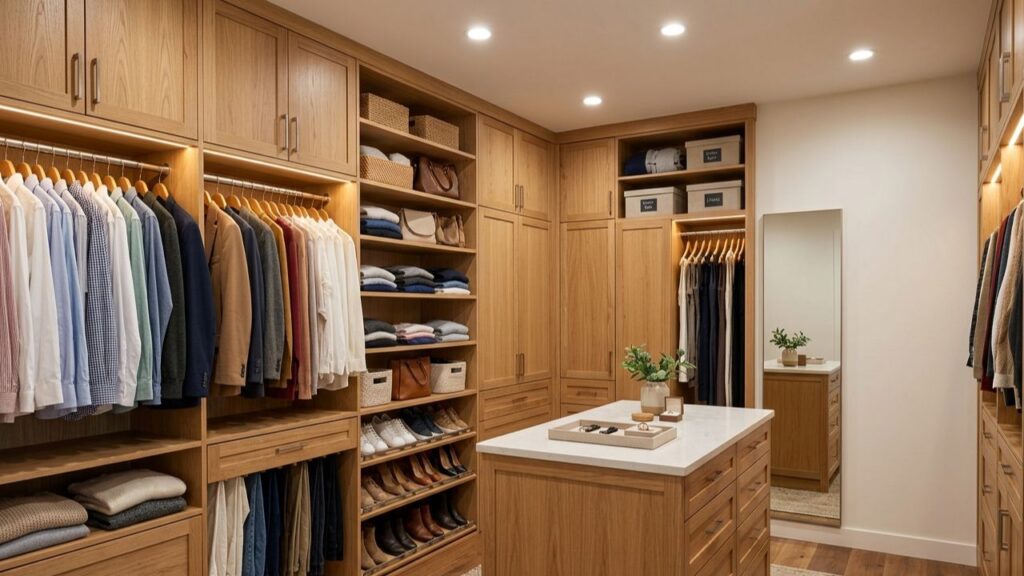
This is where function meets design. Custom closet cabinets are the backbone of any well-organized closet. Unlike open shelving alone, cabinets hide the mess, protect your clothes from dust, and give the whole space a finished look.
Here’s a simple zoning approach most designers use:
Zone 1 Hanging Area: Reserve 40–60 inches of rod space for long items. Add a double-hang section (two rods stacked) for shirts, jackets, and folded pants.
Zone 2 Shelving: Open shelves work great for folded sweaters, jeans, and bags. Adjustable shelves are better than “fixed ones your needs will change over time.
Zone 3 Drawers and Cabinets: Use drawers for underwear, socks, and accessories. Lower cabinets can store shoes, bags, or seasonal items. Upper cabinets handle rarely used items like extra bedding.
Zone 4 Specialty Storage: Tie racks, belt hooks, pull-out shoe shelves, and jewelry trays turn a basic closet into something that actually works with how you live.
Pick the Right Custom Closet Organizers
The difference between a functional closet and a frustrating one often comes down to the details specifically, the custom closet organizers you choose.
Here are the most useful ones to consider:
- Pull-out pants racks: keep trousers wrinkle-free and easy to see at a glance
- Shoe shelves or cubbies: angled or flat shelves keep pairs together and visible
- Valet rods: retractable bars for laying out tomorrow’s outfit
- Drawer dividers: stop folded items from becoming a jumbled pile
- LED lighting strips: not just pretty; you can actually see what you own
- Laundry hamper pull-outs built into the cabinet so dirty clothes disappear
You don’t need all of these. Pick the organizers that solve your specific daily frustrations.
Choose Your Materials and Finishes
This is where your custom closet goes from functional to beautiful.
Laminate: is the most popular choice it’s durable, easy to clean, and comes in dozens of colors and wood-grain finishes. Most professional closet systems use laminate for this reason.
Solid wood: looks stunning but costs more and can warp in humid environments like bathrooms or poorly ventilated closets.
Melamine: is the budget-friendly alternative to laminate similar look, slightly less durable.
For hardware (handles, hinges, rods), brushed nickel and matte black are trending right now and hold up well over time.
Build, Install, or Have It Installed
Most modular systems are built with a simple rail-and-bracket system that requires no special tools beyond a drill, level and a stud finder if you are doing the job yourself.
The typical installation time is 1-3 days for a professional installer, depending on the size and complexity of the closet. A reputable firm will design, do the work and complete the installation—even patching walls if necessary.
The most important thing at this stage: use a level. Even a few degree difference will irritate you in the morning.
What Makes a Custom Closet Worth the Investment?
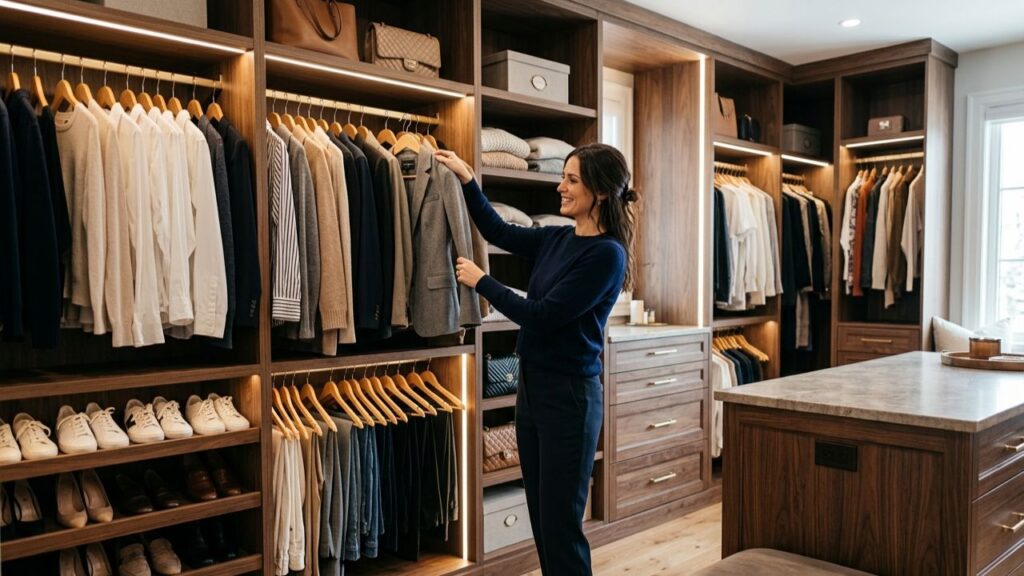
A custom closet is more than a luxury, it’s a time-saver. Consider how many minutes you waste looking around in an unorganized closet. Multiply that by 365. That’s 24 hours a year of your life.
A custom closet instills real value in your home, in addition to convenience. The National Association of Realtors has found that improvements in storage and organization are constantly on the top of the list of features buyers can see in their homes.
Ready to Get Started?
You’ve got the roadmap. Now it’s time to take the first step.
Whether you want to DIY your dream closet or have a professional design it for you, the team at Custom-Closets is here to help. Browse design inspiration, explore materials, and request a free quote all on one site.
Contact us here to start planning your custom closet today.
Have questions before you commit? Give us a call at +1 (502) 592-5060 we’re happy to talk through your options and usually respond within 24 hours.
FAQs
Costs vary widely based on size and materials. A basic DIY reach-in setup can cost $200–$500, while a professionally designed and installed walk-in closet typically runs $1,500–$5,000+. The more custom the design and the higher the material quality, the higher the price but the result lasts for decades.
Yes many custom closet solutions use freestanding or modular systems that attach to walls with minimal anchoring. No drywall work, no major tools required. These are ideal for renters or anyone who wants flexibility to reconfigure later.
For tight spaces, focus on vertical storage: double-hang rods, stacked shelves, and door-mounted organizers. Pull-out drawers and slimline shoe shelves also help maximize every inch without making the space feel cluttered.
A simple DIY install can be done in a single weekend. Professional installation for a medium-sized walk-in typically takes one to two days. More complex designs with full cabinetry may take two to three days.
Modular systems use pre-made components you configure yourself they’re flexible and budget-friendly. Custom closet cabinets are built or fitted specifically to your dimensions and design preferences, offering a more seamless, high-end look and better use of non-standard spaces.