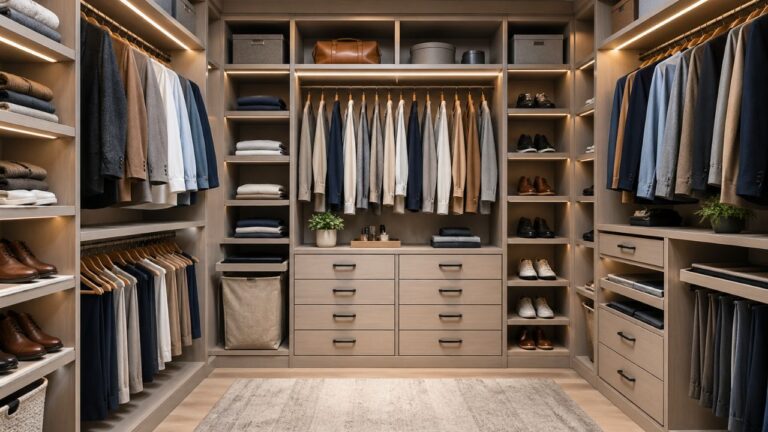
If you’ve ever stared into a crammed, chaotic closet and thought, “There has to be a better way”you’re absolutely right. Learning how to build a custom closet is one of the highest-return home improvement projects you can take on. Done well, it doesn’t just organize your wardrobe; it adds real estate value, reduces daily stress, and turns a forgotten corner of your home into something genuinely beautiful.
This guide walks you through everything from initial measurements and layout planning, to choosing materials, incorporating smart custom closet ideas, and even tackling a closet island if your space allows. Working with a small bedroom or a tight reach-in? We’ve got practical, tested advice for custom closets for small spaces too.
Whether you’re a serious DIY enthusiast or you’re mapping out a project before calling in the professionals, this is the most comprehensive, up-to-date resource you’ll find in 2026.
Why a Custom Closet Is Worth Every Penny
Off-the-shelf closet organizers have their place, but they’re designed for the average person which means they’re perfect for almost no one. A custom closet system is built around your actual clothes, your daily habits, and your room’s unique dimensions.
Here’s what makes the investment worthwhile beyond mere aesthetics:
- Maximum storage efficiency: Custom configurations use every inch, including awkward corners, sloped ceilings, and oddly shaped walls.
- Home value increase: A well-designed master closet can meaningfully improve a home’s resale value often returning more than the initial cost in competitive real estate markets.
- Reduced morning friction: When everything has a designated place, getting dressed takes a fraction of the time.
- Long-term durability: Quality custom cabinetry and shelving systems are built to last decades, not years.
- True personalization: From jewelry drawers and belt racks to LED lighting and full-length mirrors, every detail reflects your life.
Pro Insight: The most common regret among homeowners who build a custom closet? Not doing it sooner. The second most common? Not going deep enough on planning before construction begins. Take your time in the design phase it pays off in every dimension.
How to Build a Custom Closet: A Step-by-Step Breakdown
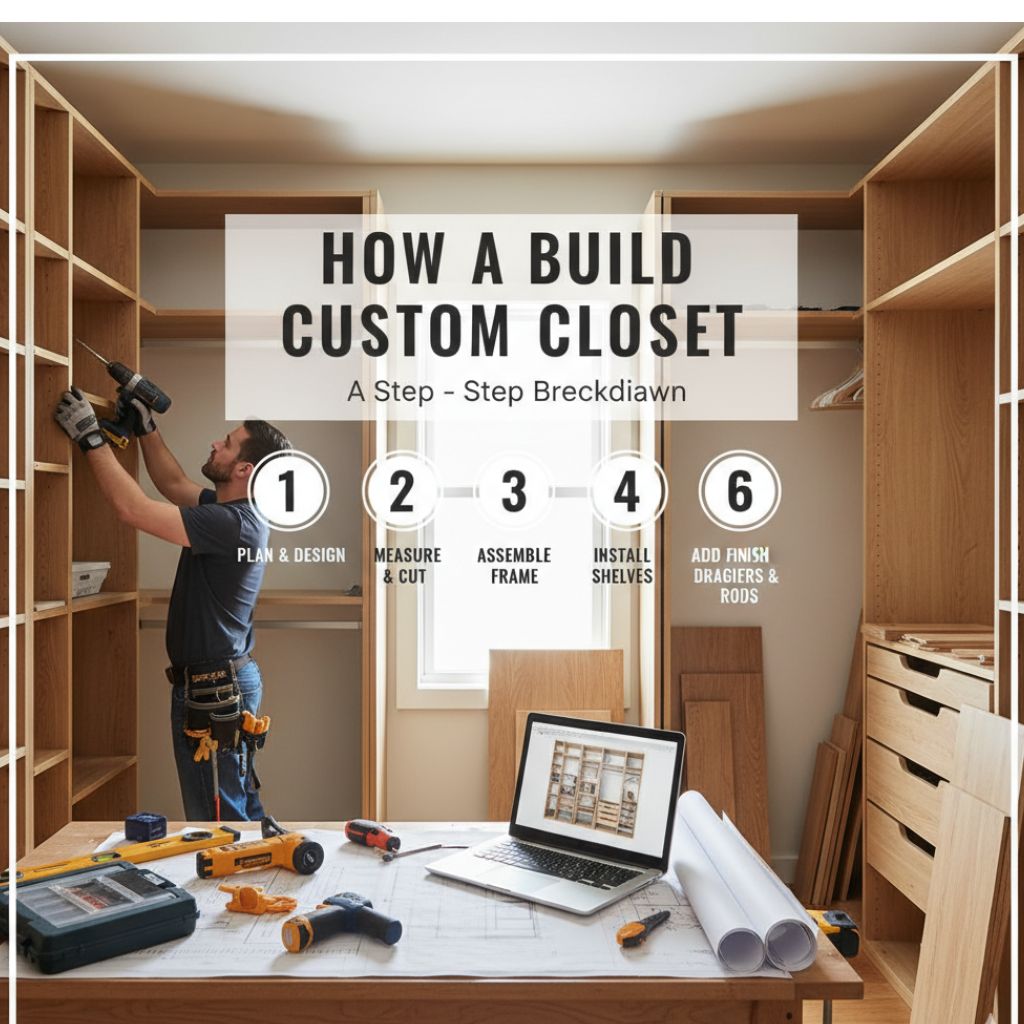
Building a custom closet isn’t magic it’s a process. Follow these steps in order and you’ll avoid the most common pitfalls that derail both DIY projects and professional installations.
Audit Your Wardrobe & Storage Needs
Before you pick up a measuring tape, go through everything you currently own. Categorize your hanging clothes (long vs. short), folded items, shoes, accessories, and seasonal pieces. This inventory becomes the blueprint for your entire design. Most people discover they need 30–40% more hanging space than they thought and far less drawer space than they planned.
Measure Your Space Precisely
Measure your closet’s width, depth, and height at three separate points each walls are rarely perfectly plumb. Record the location of outlets, light switches, HVAC vents, and any baseboards or crown molding. For walk-in closets, note the door swing radius. Accuracy here prevents costly rework later.
Choose a Layout That Matches Your Space
The most common layouts are single-wall (for narrow reach-ins), L-shaped (ideal for small walk-ins), U-shaped (maximizes storage in larger closets), and peninsula or island configurations (the crown jewel of spacious walk-ins). Sketch multiple options before committing even rough hand-drawn plans reveal conflicts and opportunities that a mental image misses.
Select Your Materials & System Type
Your three main options are wire shelving (affordable but limited aesthetically), modular laminate systems (mid-range, highly versatile), and fully built-in custom cabinetry (premium, most refined finish). For most homeowners, high-quality modular laminate or semi-custom cabinetry offers the best balance of durability, design flexibility, and cost-effectiveness.
Plan Your Vertical Zones
Professional closet designers always think in three vertical zones: upper (rarely accessed seasonal items), middle (everyday items at eye and reach level), and lower (shoes, drawers, and frequently used pieces). Distributing storage across all three zones dramatically improves both capacity and ergonomics.
Install with Care (or Hire a Professional)
If going DIY, locate wall studs before installing any hanging systems drywall anchors alone won’t support a full wardrobe’s weight over time. Use a laser level for perfectly horizontal shelves and pre-drill all holes to prevent splitting. For complex configurations or built-in cabinetry, professional installation saves time and guarantees structural integrity.
Add Lighting, Accessories & Finishing Touches
Lighting is the single most underrated element of a custom closet. LED strip lighting under shelves, motion-activated overhead fixtures, and dedicated vanity lighting transform a functional space into one you genuinely enjoy using. Then add the details: pull-out valet rods, velvet-lined jewelry drawers, tie and belt racks, and full-length mirrors.
Creative Custom Closet Ideas for Every Style & Budget
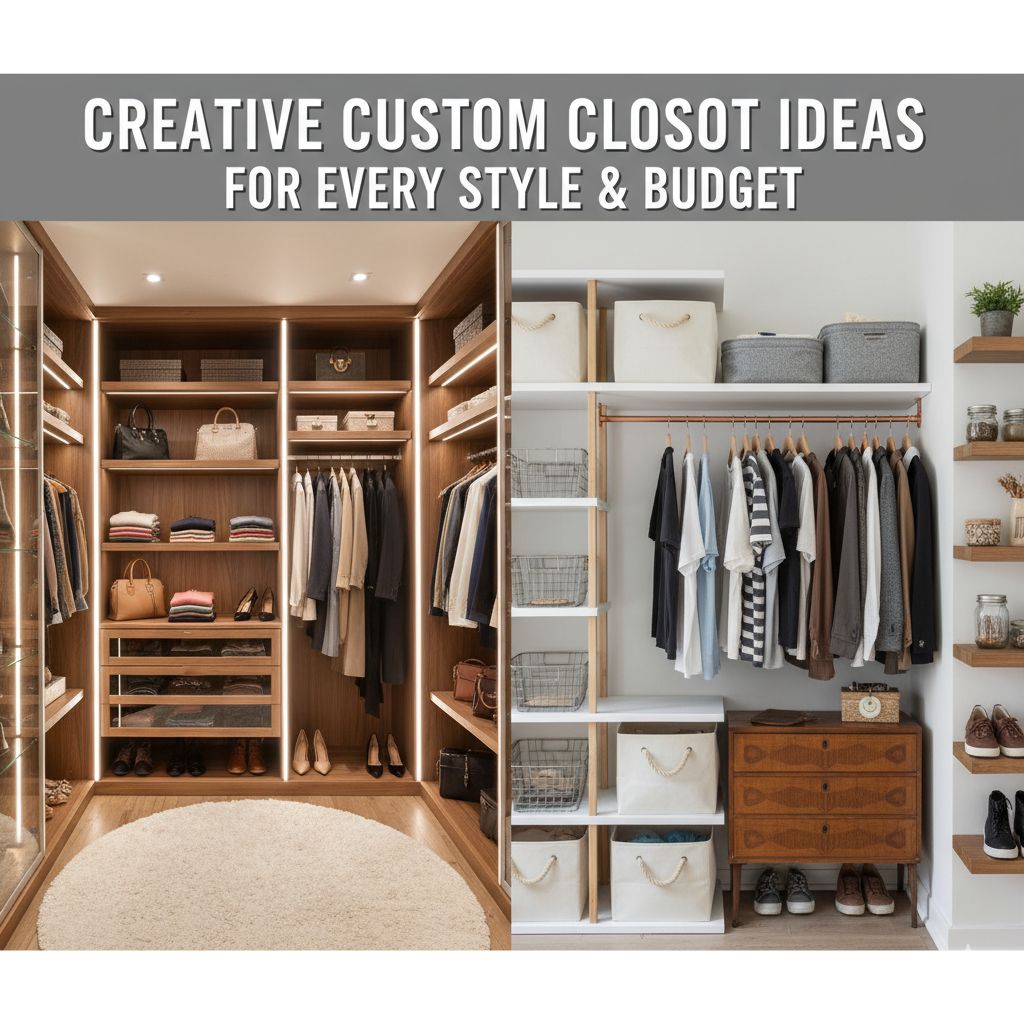
One of the most exciting parts of planning a custom closet is deciding what features to include. These custom closet ideas range from practical essentials to luxury upgrades pick and mix based on your lifestyle, space, and budget.
Double Hanging Sections
Two stacked hanging rods double capacity for shirts, jackets, and folded pants essential for maximizing vertical space.
Angled Shoe Shelves
Tilted shelves display shoes face-out, making selection easier and reducing footprint compared to flat storage.
Velvet-Lined Jewelry Drawers
Built-in divided drawers keep rings, necklaces, and earrings organized and protected from scratching.
LED Motion Lighting
Motion-activated LEDs under shelves and inside drawers illuminate automatically luxury and function in one.
Full-Length Mirror Panels
Integrated mirrors are practical for getting dressed and visually expand a smaller closet dramatically.
Pull-Out Laundry Hampers
Hampers that slide out from inside the cabinetry keep laundry hidden while keeping it conveniently accessible.
Upper Cabinet Storage
Enclosed upper cabinets are perfect for seasonal items, luggage, and anything accessed only occasionally.
Two-Tone Cabinetry
Combining a dark base with lighter uppers or contrasting door and frame colors adds a refined, editorial quality.
Built-In Seating Bench
A built-in bench with hidden storage underneath is practical for putting on shoes and adds architectural elegance.
“A closet should feel like the first room you enter in the morning and the last you leave at night it sets the tone for everything that follows.” Custom Closets Design Louisville KY
Custom Closet Island Ideas: The Ultimate Luxury Storage Feature
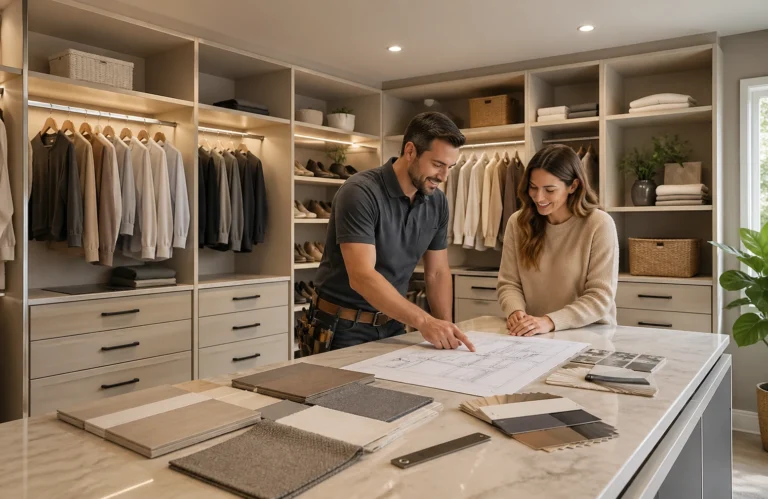
If your walk-in closet has at least 10 feet of width, a closet island is one of the most transformative additions you can make. These freestanding or built-in center units combine drawer storage, display space, and a work surface in a single elegant structure that elevates the entire room.
What Makes a Great Closet Island?
The best custom closet island ideas balance form and function seamlessly. Here’s what top designers prioritize:
- Counter height: Most closet islands sit between 34–36 inches the same as a kitchen island comfortable for folding clothes, laying out accessories, or packing a suitcase.
- Drawer configuration: A mix of shallow drawers (for accessories and folded tees) and deeper drawers (for sweaters and denim) maximizes versatility.
- Stone or quartz countertop: A marble-look quartz surface adds a luxury hotel feel and stands up to daily use beautifully.
- Open display shelf: A lower open shelf for handbags, folded sweaters, or shoe boxes adds visual breathing room and accessibility.
- Integrated power: A pop-up outlet or USB charging station built into the island countertop is a modern upgrade that makes the space genuinely useful every day.
How Much Space Do You Need for a Closet Island?
The golden rule is leaving at least 36–42 inches of clearance on all sides so you can comfortably open drawers and move around. Here’s a quick size reference:
| Island Size | Minimum Closet Width | Best For |
|---|---|---|
| 24″ × 18″ (compact) | 8 ft | Accessories & jewelry only |
| 36″ × 24″ (standard) | 10 ft | Full drawer storage + display |
| 48″ × 30″ (large) | 12 ft | Luxury master suite walk-in |
| 60″ × 36″ (statement) | 14+ ft | High-end boutique-style closet |
Design Tip: If your closet isn’t quite large enough for a freestanding island, consider a peninsula design instead one end mounts to a wall, reducing the footprint needed while delivering most of the same storage and surface benefits.
Custom Closets for Small Spaces: Smart Solutions That Actually Work
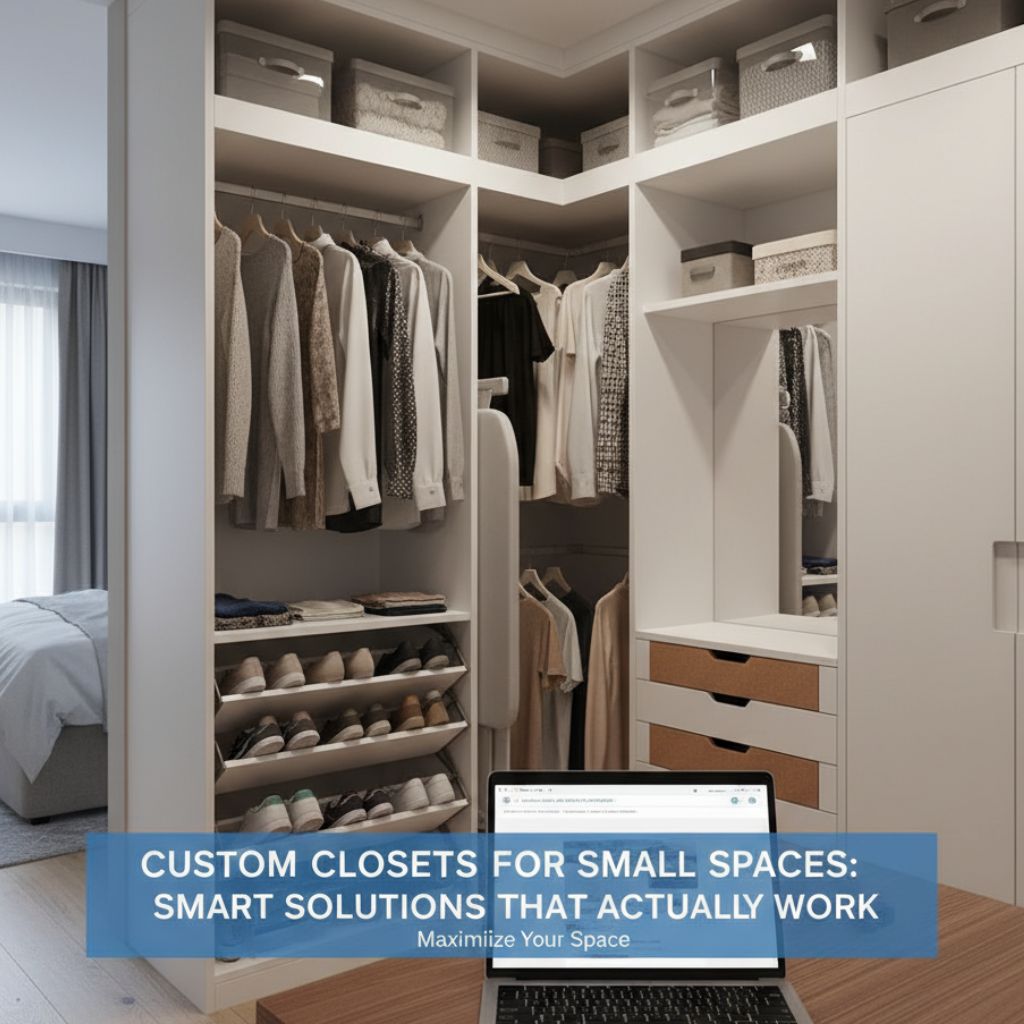
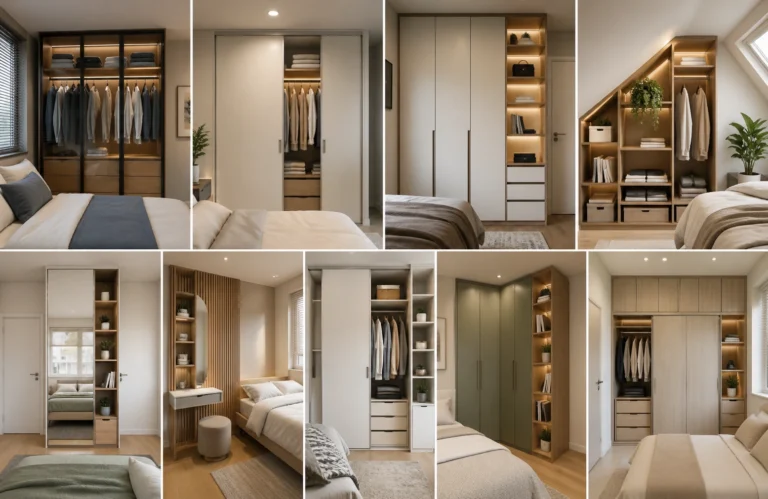
Don’t let a compact closet convince you that customization isn’t worth it. In fact, custom closets for small spaces often deliver the most dramatic transformations because the gap between a poorly used small closet and a brilliantly optimized one is enormous.
Reach-In Closet Optimization
The typical reach-in closet is 6 feet wide and 24 inches deep enough to work with if you’re strategic. Key principles for small-space closet design:
- Eliminate the single rod: Replace it with a mix of double-hanging sections, shelves, and a small drawer unit. You’ll triple your usable storage almost immediately.
- Use the door: Mounted hooks or over-door organizers on the closet door’s back reclaim otherwise wasted space for shoes, accessories, and bags.
- Go floor to ceiling: Built-in units extending to the ceiling with a step stool for upper shelves maximize every vertical inch.
- Choose slim drawers: Shallow 4-inch drawers for underwear, socks, and folded tees take less depth than standard boxes, leaving more room for hanging.
- Light colors and mirrors: Bright white or light gray cabinetry, combined with a mirrored panel, makes even the smallest closet feel open and airy.
Small Walk-In Closet Design Principles
A walk-in that’s only 5×7 feet is still vastly more functional than a reach-in if it’s designed well. Focus on two walls of storage, keeping the center clear for movement. A slimline bench at the end wall doubles as seating and a visual anchor. Recessed lighting keeps the ceiling height feeling generous. And a carefully chosen color palette think crisp whites with warm wood accents prevents the space from feeling cramped.
Space-Saving Formula
For a small walk-in, allocate roughly 60% of your linear footage to hanging space and 40% to shelving and drawers. This ratio tends to match how most people actually use their wardrobe, and avoids the most common mistake of building too many drawers in a compact footprint.
Choosing the Right Materials: Wire, Laminate, or Custom Cabinetry?
Material selection is where budget and aesthetics intersect. Here’s an honest comparison to help you make the right call:
| Material Type | Avg. Cost (per linear ft) | Lifespan | Best For |
|---|---|---|---|
| Wire Shelving | $15–$40 | 5–10 years | Budget, rental properties |
| Modular Laminate | $50–$150 | 15–20 years | Most homeowners, DIY-friendly |
| Semi-Custom Cabinet | $150–$300 | 20–30 years | Mid-to-high end renovations |
| Fully Custom Cabinetry | $300–$600+ | 30+ years | Luxury homes, master suites |
For most homeowners undertaking a primary bedroom closet renovation, high-quality laminate or semi-custom cabinetry offers the best combination of longevity, aesthetics, and return on investment. Reserve fully custom cabinetry for spaces where it will truly be showcased master dressing rooms or high-value homes where the investment makes financial sense at resale.
5 Common Mistakes to Avoid When Building a Custom Closet
Even experienced homeowners run into these pitfalls. Knowing them in advance saves real money and real frustration.
- Underestimating hanging space. Most people need far more hanging room than they realize. Count every garment that needs to be hung then add 20% for future wardrobe growth before finalizing your design.
- Ignoring lighting. A dark closet is a dysfunctional closet. Plan your lighting alongside your storage layout not as an afterthought once construction is complete.
- Building only for your current wardrobe. Think about how your storage needs might evolve. Planning for a family? Allow flexibility in your design to accommodate change without a full rebuild.
- Skipping a written design plan. “Winging it” works for some home projects. Custom closets aren’t one of them. Even a rough sketch prevents expensive conflicts between components and wasted material.
- Choosing aesthetics over accessibility. That beautifully deep upper shelf might look elegant, but if it requires a ladder to access daily, you’ll stop using it within weeks. Design for real-world daily use, not for a magazine photoshoot.
Conclusion
Now you know how to build a custom closet from taking your first measurements to selecting materials, planning the perfect layout, exploring inspiring custom closet ideas, and solving real-world challenges like custom closets for small spaces. You’ve also seen how a thoughtfully designed custom closet island can elevate a simple storage room into something truly extraordinary.
The most important takeaway? Planning is everything. The homeowners who love their custom closets most are the ones who invested serious thought into the design phase before a single shelf was installed. Map out your needs, sketch your layouts, choose materials that will last, and don’t underinvest in the details that make daily life better lighting, accessories, and finishing touches included.
Whether you’re ready to roll up your sleeves and DIY this weekend, or you’re looking for an experienced team to bring your vision to life professionally, the right support is closer than you think. Explore the full gallery of custom walk-in closets, reach-in solutions, island configurations, and luxury accessories at custom-closets and take the first step toward a closet that genuinely works for you.
FAQs
Costs vary widely depending on size, materials, and complexity. A basic reach-in custom closet using modular laminate typically runs $500–$1,500 for materials alone, or $1,500–$4,000 installed professionally. A full walk-in custom closet with cabinetry, lighting, and accessories ranges from $3,000 to $15,000+. Luxury master closets with islands, premium cabinetry, and designer finishes can exceed $25,000. The return on investment is consistently strong, especially in higher-value homes.
Modular closet systems are genuinely DIY-friendly and can produce impressive results with patience and a solid plan. However, for built-in cabinetry, complex configurations, structural modifications, or anything involving electrical work for lighting, hiring a professional closet designer and installer is the smarter, safer investment. Professionals also bring access to better materials and more refined designs than what’s available at retail.
The minimum functional walk-in closet size is generally 5 feet × 5 feet enough for a single wall of storage with space to turn around. A 5×7 or 6×8 footprint is far more comfortable and allows for more thoughtful storage on two walls. For a shared couple’s closet with full customization and potential island space, aim for at least 10×10 feet.
For small bedrooms, focus on maximizing vertical space by installing floor-to-ceiling systems. Replace a single hanging rod with a combination of double-hang sections, shelves, and small drawers. Use the back of the closet door for additional storage. Choose light-colored cabinetry and add a mirror panel to visually expand the space. For the tightest reach-in closets, a well-designed modular system can triple your effective storage capacity compared to a basic single-rod setup.
es especially in the master bedroom. Real estate professionals consistently cite closet space as one of the top features buyers prioritize, and a well-designed custom walk-in closet is a powerful selling point. Well-executed closet renovations frequently return 50–100% of their cost in home value, with luxury closets in higher-priced markets often returning their full investment at resale.